The Difference Between Infant Water Play and Formal Swim Training
Many parents, when introducing their baby to water, ask an important question:
Are water play activities enough for infants, or should formal swim training be considered?
Understanding the difference between infant water play and formal swim training is crucial in choosing the right path for a child’s development, safety, and emotional well-being. In this article, we provide an in-depth examination of infant water play versus swim training to help parents make a more informed decision.
What Is Infant Water Play?
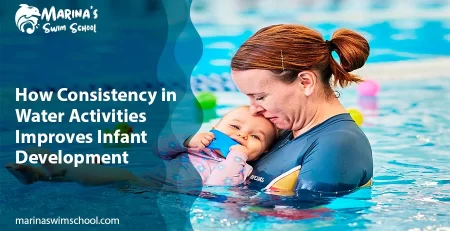
Infant water play refers to simple, unstructured, and free activities typically conducted with parental supervision, primarily intended for enjoyment, relaxation, and early exposure to water. These activities may take place in a home bathtub, recreational pools, or shallow water environments.
In infant water play, the main focus is on helping the baby enjoy the water, move their arms and legs freely, splash gently, and develop a positive first experience. There is no defined instructional program, technical goal, or skill assessment involved in this type of activity.
What Is Formal Swim Training for Infants?
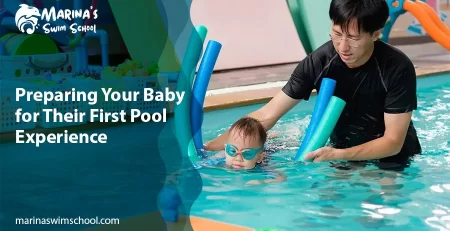
In contrast, formal swim training is a structured, goal-oriented, and science-based program conducted by trained and specialized instructors. This type of training is typically offered through Baby Swim Lessons and is designed according to the baby’s age, physical abilities, and mental readiness.
In formal swim training, the focus goes beyond play alone. Goals include increasing water safety, developing basic survival skills, improving motor coordination, and establishing a healthy and structured relationship with water. All exercises are introduced gradually, safely, and without pressure.
Comparing Infant Water Play vs. Swim Training
One of the most important differences in the comparison between infant water play and swim training lies in their objectives.
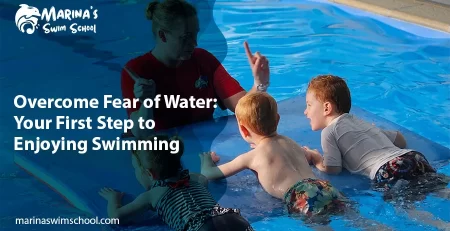
Water play activities are primarily recreational and emotional in nature, aiming to create pleasant feelings and reduce any initial fear of water. In contrast, formal swim training pursues long-term goals such as enhancing water safety, preparing infants for future swim learning stages, and strengthening motor skills.
In essence, water play is a free and unstructured experience, while swim training follows a clear educational pathway with predictable outcomes.
Differences in Structure and Teaching Method
Infant water play is usually unstructured and led by parents. These activities depend on the baby’s mood and reactions and may vary each time.
Formal swim training, however, follows a defined structure. Each session typically includes gradual water entry, simple floating exercises, purpose-driven games, and a calm exit from the water. This structured approach helps infants gradually adapt to the water environment and systematically learn foundational skills.
The Role of the Instructor in Formal Swim Training vs. Water Play
In water play activities, a professional instructor is usually not present, and parents interact with their baby based on personal experience. While this is suitable for enjoyment, it has limitations in terms of safety and specialized instruction.
In formal swim training, the instructor plays a critical role. Trained instructors know how to interpret an infant’s reactions, adapt exercises to the child’s condition, and create a safe and calming environment. This is one of the most significant advantages of formal swim training compared to simple water play.
The Impact of Each Approach on Infant Water Safety
Comparing infant water play vs. swim training shows that each approach contributes differently to water safety at specific stages. The table below summarizes and compares how each method affects infant safety in water:
| Safety Factor | Infant Water Play | Formal Swim Training |
|---|---|---|
| Primary goal | Creating comfort and early familiarity with water | Developing safety skills and water response |
| Reducing fear of water | Very effective through positive, pressure-free experiences | Effective, especially for infants who have experienced water play |
| Control of initial reactions | Limited and unstructured | Purposeful and structured |
| Learning survival skills | None or very limited | Basic level (such as floating and body control) |
| Role of a professional instructor | Usually absent or non-specialized | Essential and highly specialized |
| Long-term safety level | Builds a positive psychological foundation | Enhances practical water safety |
| Suitable age | Early stages (from around 6 months) | After initial readiness is established |
Which Option Is More Suitable for Your Baby?
As discussed, choosing between infant water play and formal swim training depends on parental goals and the baby’s individual condition. Water play is highly beneficial for early exposure and creating joyful experiences, but it cannot replace structured swim education on its own.
A smart combination of both approaches delivers the best results. Many experts recommend starting with simple water play and gradually introducing formal swim training as the baby becomes more ready.
Conclusion
Understanding the difference between infant water play and formal swim training helps parents make a more informed choice for their child’s development and safety. Water play creates a joyful and calming experience, while formal swim training provides a structured, scientific, and safety-focused foundation for the future.
Ultimately, the comparison of infant water play vs. swim training shows that both have valuable roles, but formal swim training offers a more complete and reliable path for preparing infants to develop a healthy and confident relationship with water in the years ahead.